

Hyrox kit, fitted by people who race it
Hyrox
Eight runs, eight stations, and a shoe that has to do both. Shoes and kit for Hyrox, chosen and fitted in store in Stamford by a team that trains for it.
Laura's picks
The shoes we'd put you in
[LAURA: two sentences on how she chooses a Hyrox shoe, in her words.]
- Does it all

- Race day

- Wider fit


-
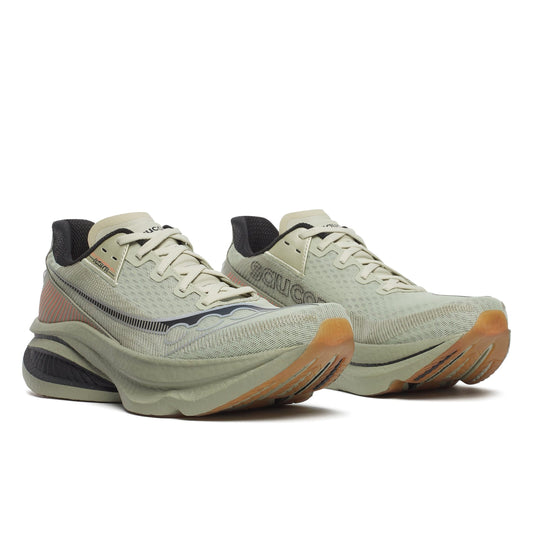
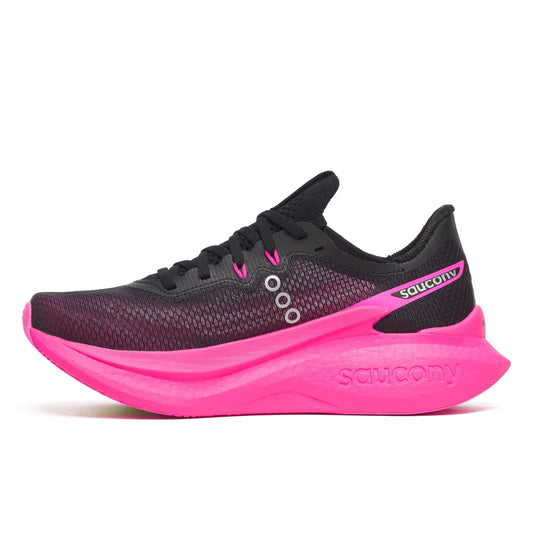
Saucony Endoprhin Azura Men's Running Shoe
Regular price £140.00Regular priceUnit price per -
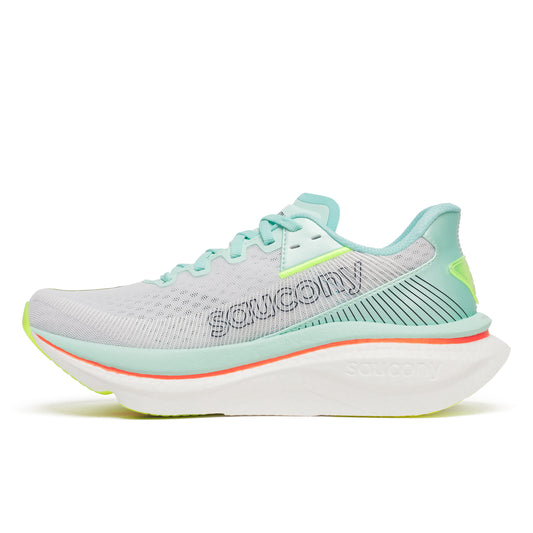
Saucony Endorphin Azura Women's Running Shoe
Regular price £140.00Regular priceUnit price per -
S/Co. Crew Sock
Regular price £15.00Regular priceUnit price per -
S/Co. Casual Sock
Regular price £15.00Regular priceUnit price per -
Versus Ankle Running Socks
Regular price £11.99Regular priceUnit price per -

 Sold out
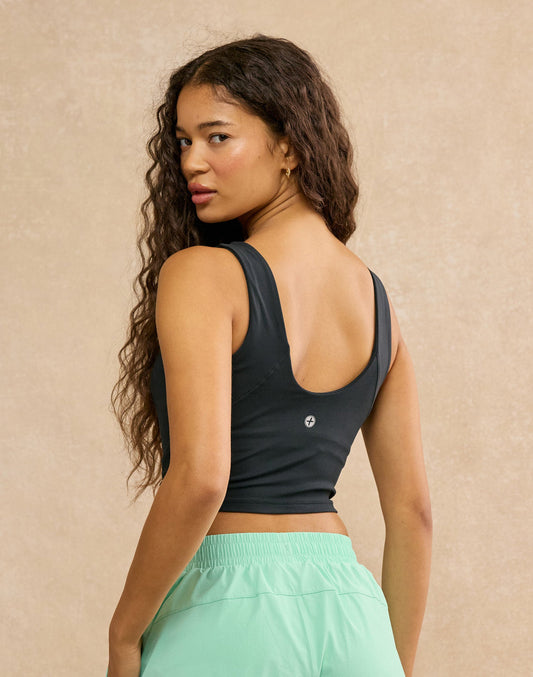
Gym+Coffee Women's Soft Motion Tank
Regular price £36.00Regular priceUnit price per -
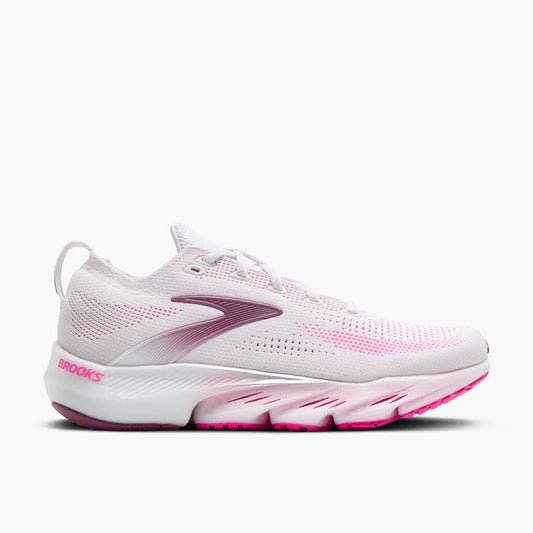
Brooks Glycerin Flex Women's Running Shoe
Regular price £165.00Regular priceUnit price per -
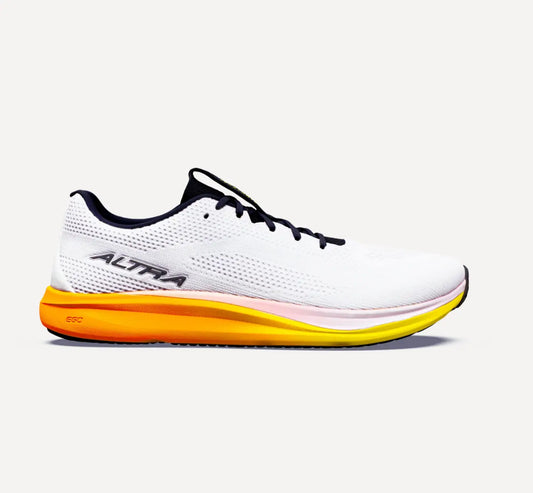
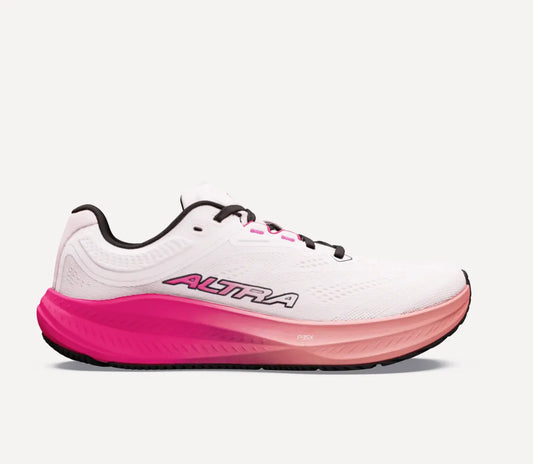
Altra Escalante 5 Men's Running Shoe
Regular price £125.00Regular priceUnit price per -
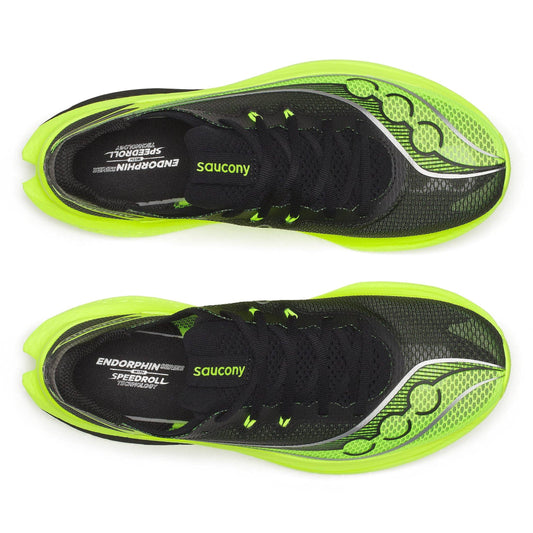
Saucony Endorphin Pro 5 Men's Running Shoe
Regular price £250.00Regular priceUnit price per -
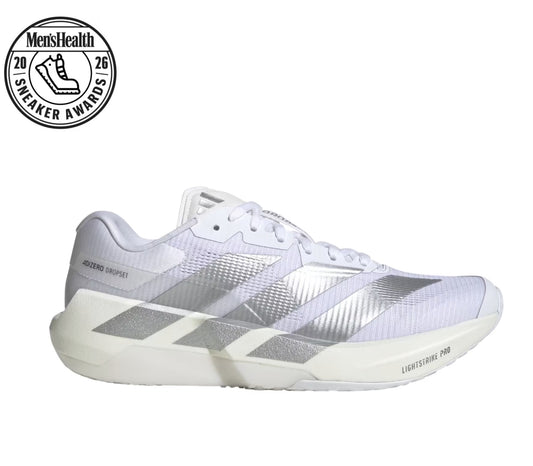
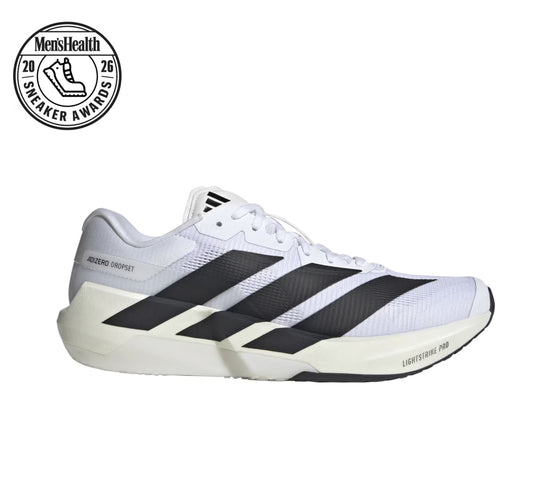
Adidas Adizero Dropset Pro Women's Running Shoe
Regular price £130.00Regular priceUnit price per -
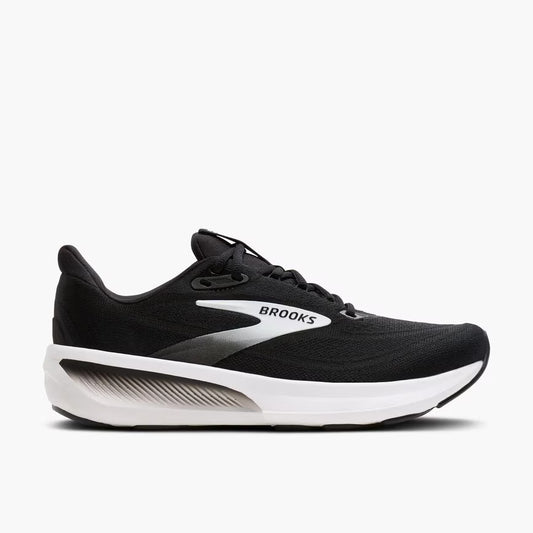
Brooks Revel 9 Men's Running Shoe
Regular price £100.00Regular priceUnit price per -
Altra Torin 9 Women's Running Shoe
Regular price £135.00Regular priceUnit price per -
Saucony Endorphin Pro 5 Women's Running Shoe
Regular price £250.00Regular priceUnit price per -
Adidas Adizero Dropset Pro Men's Running Shoe
Regular price £130.00Regular priceUnit price per -
Gym+Coffee Daily Relaxed Fit Women's Hoodie
Regular price £60.00Regular priceUnit price per -
Gym+Coffee Daily Collared Women's Sweatshirt
Regular price £60.00Regular priceUnit price per -
Gym+Coffee Daily Snap Collar Women's Sweatshirt
Regular price £60.00Regular priceUnit price per -
Gym+Coffee Relentless 7" Men's Short
Regular price £40.00Regular priceUnit price per -
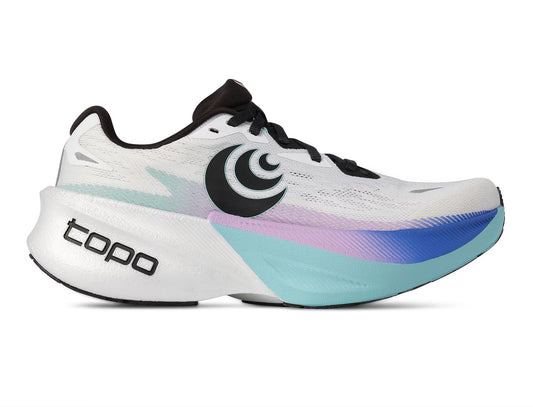
Topo Specter 3 Women's Running Shoe
Regular price £165.00Regular priceUnit price per













The buying guide
What Hyrox asks of a shoe
A Hyrox is 8km of running broken up by eight stations, so the shoe has to do two jobs that normally pull in opposite directions. It needs enough cushion and bounce to make eight 1km efforts feel like running rather than plodding, and enough stability and grip to push a sled, hold a lunge under a sandbag and land a wall ball without rolling around on a soft midsole.
The short version: a stable, firm-ish daily trainer or a hybrid gym-run shoe beats both a plush max-cushion shoe and a carbon racer. Open the stations below to see why.
“[LAURA: what she'd tell someone buying their first Hyrox shoe]”
Laura, owner
1 SkiErg 1000m
Standing pulls on a ski ergometer straight after the first run. Mostly upper body and lungs.
For your shoe: Nothing special, but this is where a shoe with a squishy heel starts to feel unstable as you drive down through your feet. A firm, flat platform helps you brace.
2 Sled push 50m
Push a weighted sled 50m on turf, usually in 12.5m lengths. Low, driving, legs and lungs.
For your shoe: The station that ruins running shoes. You are on your toes with your heel lifted, so a stiff forefoot and a grippy outsole matter far more than cushion. Soft foam collapses and wastes your push; slick outsoles slip on the turf.
3 Sled pull 50m
Haul a weighted sled towards you hand over hand with a rope, in 12.5m lengths, then reset.
For your shoe: Heels dug in, leaning back. Heel grip and a stable heel counter stop your foot sliding forward in the shoe. Rocker-shaped soles can feel tippy here.
4 Burpee broad jumps 80m
Chest to floor, then jump forward, 80m of it. Widely voted the worst bit.
For your shoe: Landings. A wide, stable base and some forefoot cushion make eighty landings kinder. Very narrow racing shoes get twitchy.
5 Rowing 1000m
1000m on a rowing erg. A chance to breathe if you pace it.
For your shoe: A flexible forefoot helps the catch position. No other demands, so a low-drop stable shoe is fine here.
6 Farmers carry 200m
Two kettlebells, 200m, do not put them down. Grip and posture.
For your shoe: Load through the whole foot. Firm midsole, secure lockdown, nothing that lets your foot wobble under weight.
7 Sandbag lunges 100m
Walking lunges with a sandbag on your shoulders for 100m. Quads on fire.
For your shoe: The back foot is bent hard at the toes every rep, so a shoe that flexes at the ball of the foot (not a stiff plated racer) saves your toes and calves. Stability for the loaded front leg too.
8 Wall balls 100 reps
Squat, throw a medicine ball to a target, catch, repeat. Usually 100 reps (75 in some divisions). Then it's over.
For your shoe: Deep squats want a stable heel and a flat platform; a high stack of soft foam makes it harder to sit down and stand up straight. Then you have to jog to the finish on legs that no longer work.
9 The runs 8 x 1km
Every station is preceded by a 1km lap, usually on a hard, tight indoor loop with lots of corners.
For your shoe: This is why a pure gym shoe is the wrong answer. You want real running cushion and some bounce, but in a shoe stable enough for everything above. That balance is the whole game.
Beyond shoes
The rest of the kit
Shoes are the big decision. These are the small ones that stop a race going wrong.
-
 ShortsLunges and burpees find every short that rides up. A longer inseam or a tight with a pocket for gels.
-
 SocksSled turf and sweaty feet. A snug, grippy sock stops your foot sliding inside the shoe on the sled pull.
-
 TopsSandbag on the shoulders and a rope through your hands. Something that won't shred or chafe.
-
 Gels & nutritionNinety minutes or more of effort. One gel before, one at the row, is a common plan.


Good to know
Hyrox shoe questions we get asked
Can I just wear my normal running shoes?
If they're a stable daily trainer, probably yes, and that's what a lot of first-timers do. If they're a plush max-cushion shoe or a carbon-plated racer, we'd steer you away: the soft or rockered sole that feels lovely on a long run gets wobbly under a sandbag and useless on a sled. Bring them in and we'll tell you straight.
What makes a good Hyrox shoe?
A firm, stable platform with real running cushion. Grippy outsole for the sled turf, a forefoot that flexes for lunges, a secure heel for the sled pull, and enough bounce to make eight 1km runs feel like running. Most of the shoes that fit that brief are stable daily trainers or gym-to-run hybrids rather than anything marketed as a Hyrox shoe.
Do I need a gait analysis for Hyrox?
It helps more than you'd think. The running is 8km in total, on a hard indoor loop with tight corners, on tired legs. If your shoe isn't right for how you run, that's where it shows. Our gait analysis is £40 with £20 back as credit against shoes.
Which of your shoes do Hyrox athletes actually buy?
[LAURA: name the two or three shoes that walk out of the door for Hyrox and why]
Is there a Hyrox near Stamford or Peterborough?
[LAURA: nearest events, any local training groups or gyms running Hyrox sessions]
Training for a Hyrox? Get fitted first.
A lot of Hyrox athletes come from the gym and have never had their running looked at. Our gait analysis is £40 in store, with £20 back against a pair of shoes, and it's the fastest way to find a shoe that runs well and holds up on the stations.